
While owning a car provides convenience, it also comes with significant responsibility. Your vehicle gets you where you need to go, but it requires attention to run smoothly and safely. Unfortunately, many car owners skip routine maintenance, believing they can save money. However, the opposite is true. Neglecting small issues often results in costly repairs and can shorten your vehicle’s lifespan.
The good news is that you can extend your car’s life, avoid expensive repairs, and improve fuel efficiency by following simple maintenance habits. Here are 10 effective maintenance practices that can save you significant money in the long run.
1. Check and Change Your Oil Regularly
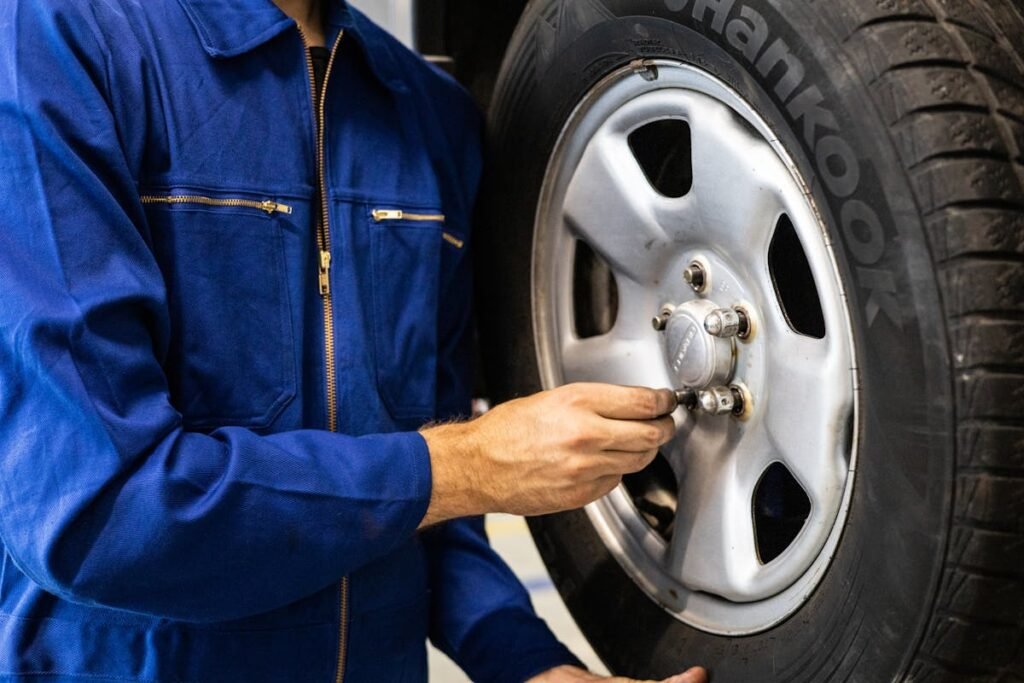
Oil is the lifeblood of your car’s engine. It lubricates vital parts, minimizes friction, and prevents overheating. Failing to change oil can cause engine damage—one of the most expensive repairs you’ll face as a car owner.
Check your oil level at least once a month and adhere to your manufacturer’s recommended schedule for oil changes. A simple oil change costs between $40 to $100, while engine replacement can cost between $3,000 to $7,000. The math is clear: regular oil changes are a small investment that prevents catastrophic expenses.
2. Keep Tires Properly Inflated
Underinflated tires create excessive rolling resistance, forcing your engine to work harder and burn more fuel. This also causes tires to wear unevenly, meaning you’ll need to replace them sooner than expected. Worst of all, poorly inflated tires are dangerous and can cause blowouts on the road.
Check your tire pressure at least once a month, especially before long trips. You can find the recommended pressure on a sticker inside your vehicle’s driver’s door. Properly maintained tire pressure can improve fuel economy by up to 3% and extend tire life by thousands of miles, saving you substantial money each year.
3. Rotate Your Tires
Uneven tire wear is one of the most common reasons people must replace tires unexpectedly. Regular tire rotation ensures even wear by switching tire positions, allowing you to get maximum life from your tires. Typically, rotate tires every time you change your oil. One set of tires costs around $400 to $1,000. By regularly rotating your tires, you can significantly extend their lifespan and delay costly replacements.
4. Replace Air Filters
A dirty air filter restricts airflow to the engine, reducing efficiency and increasing fuel consumption. It also impacts performance and acceleration. Air filter replacement is easy and doesn’t require advanced skills—it’s one of the simplest maintenance tasks you can perform.
Replace your engine air filter every 12,000 to 15,000 miles or once a year. Also check your cabin air filter regularly. Replacing an air filter costs only $20 to $50, but neglecting this simple task puts pressure on your engine and increases fuel consumption, potentially leading to costly repairs.
5. Stick to Scheduled Fluid Checks

Your car doesn’t depend on oil alone. Fluids such as brake fluid, power steering fluid, transmission fluid, and coolant are equally important. Insufficient or dirty fluids often cause major system failures.
Check fluid levels monthly and flush or replace them according to your vehicle’s manual. A transmission flush costs about $150 to $250, but ignoring this maintenance can lead to full transmission replacement costing $3,000 to $5,000.
6. Wash and Wax Regularly
You might think car washing is purely cosmetic, but it goes far beyond preserving appearance. Dirt, salt, and grime can damage paint and metal, causing rust. Rust repairs, particularly in structural areas, can be surprisingly expensive.
Wash your car at least every two weeks, more often if you live near the ocean or during winter months when road salt is used. Wax it at least twice yearly for added protection. Preventing rust saves money on potential bodywork repairs while preserving resale value.
7. Listen to Your Brakes
Your brakes are among the most vital safety components in your vehicle. Signs that brake pads or rotors are worn include squealing, grinding, or reduced stopping power. Ignoring these warning signs creates safety risks and leads to more expensive repairs.
Pay attention to unusual brake sounds while driving and have your brakes checked at least annually. Brake pad replacement costs between $150 – $300, but if you wait until rotors are damaged, costs can triple.
8. Replace Worn Wiper Blades
Wiper blades are often ignored until you’re caught in heavy rain and can’t see clearly. Ineffective or damaged blades compromise visibility and can scratch your windshield, leading to costly replacements.
Replace wiper blades every 6 to 12 months or immediately when they streak, squeak, or skip. Wipers cost only $20 to $40 per pair, while windshield replacement can cost $300 to $1,000.
9. Pay Attention to Warning Lights
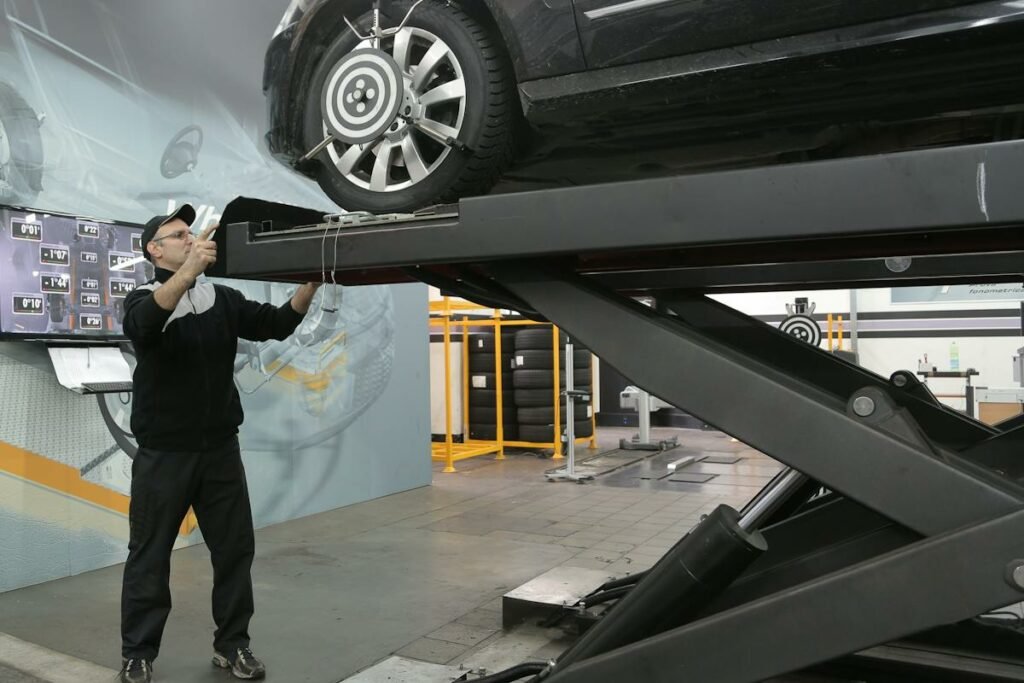
Dashboard warning lights inform you that something requires immediate attention. Ignoring them allows minor issues to escalate into major problems. For instance, a check-engine light could indicate a loose gas cap or an engine misfire.
Take warning lights seriously. You can buy a code reader for under $50 to help identify issues, or visit a mechanic immediately. Early diagnosis and repair might cost $50, while delayed repairs could cost $1,500 or more.
10. Drive Smarter
Your driving habits significantly affect your vehicle’s longevity and maintenance costs. Aggressive driving—speeding, rapid acceleration, and hard braking—causes engines, tires, and brakes to wear down faster.
Gentle driving reduces wear and helps your car run more efficiently. Avoid excessive idling, maintain steady speeds, and accelerate smoothly. These habits extend component life and improve fuel economy.
Building Long-Term Savings
These maintenance habits work together to create substantial savings over your vehicle’s lifetime. Regular maintenance not only prevents expensive repairs but also maintains your car’s resale value and ensures reliable transportation.
Consider keeping a maintenance log to track services and spot patterns. Many modern vehicles also have maintenance reminder systems that help you stay on schedule. The key is consistency—small, regular investments in maintenance prevent large, unexpected expenses.
Creating a Maintenance Schedule
Develop a monthly routine that includes checking oil levels, tire pressure, and fluid levels. Schedule seasonal tasks like tire rotations and air filter replacements. This proactive approach transforms car maintenance from reactive repairs into predictable, manageable expenses.
Remember that your vehicle’s manual contains specific recommendations for your make and model. Following manufacturer guidelines ensures optimal performance and may be required to maintain warranty coverage.
About Treasure Valley Auto Service
Treasure Valley Auto Service offers comprehensive car repair and maintenance services. For inquiries, contact us at +1 208-385-0339 or email quality@treasurevalleyautocare.com.
