
Car ownership comes with many rewards: freedom, convenience, and the ability to go wherever you need to go at any moment. But with those benefits comes the responsibility of maintaining your vehicle, and unexpected repair costs can feel like a punch to the wallet.
Whether it’s a failing alternator, worn-out brakes, or a mysterious warning light, repairs can add up quickly. Fortunately, saving money on car repairs isn’t just possible—it’s achievable with the right strategies, habits, and mindset.
Below are expert tips every car owner should know to keep costs low, avoid unnecessary expenses, and keep your vehicle running smoothly for years.
Maintain Your Car on a Consistent Schedule
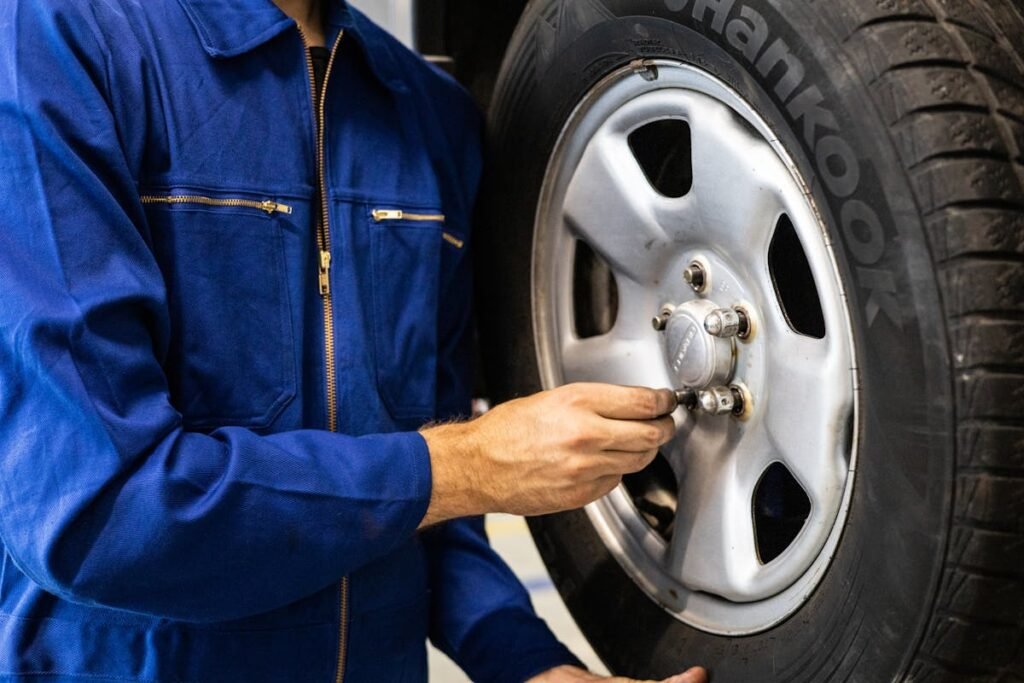
Regular maintenance is the number one way to prevent costly repairs down the line. When small issues go unnoticed, they usually turn into larger, more expensive problems.
Simple tasks like oil changes, coolant checks, brake inspections, and tire rotations dramatically reduce long-term repair costs. For example:
- Skipping oil changes can lead to engine sludge buildup, eventually requiring engine replacement
- Ignoring brake pad wear can damage rotors, multiplying your repair cost
Your owner’s manual outlines recommended service intervals. Following them closely may seem like an expense, but it’s far cheaper than major repairs later.
Don’t Ignore Warning Signs
Most drivers make the mistake of hoping small issues will “go away.” Cars don’t heal themselves—problems compound over time.
Signs that should never be ignored:
- Check engine light
- Grinding or squeaking brakes
- Unusual engine noises (pinging, knocking)
- Fluid leaks
- Overheating
- Vibration while driving
Addressing these early often means the difference between a simple, inexpensive fix and a major repair bill.
Learn Basic DIY Maintenance
You don’t need to be a mechanic to handle some basic car care tasks that can save you hundreds each year. With simple tools and online tutorials, you can tackle:
- Oil changes
- Air filter replacement
- Battery cleaning and replacement
- Windshield wiper replacement
- Replacing headlight or taillight bulbs
- Tire pressure checks
For example, a shop may charge $30–$60 for wiper replacement, but you can buy a pair for $10 and install them in two minutes. Even changing your air filter—a simple task—can save $20–$40 per service visit. Sticking to simple DIY jobs frees up your budget for more serious repairs that require professional expertise.
Always Compare Prices Before Approving Repairs
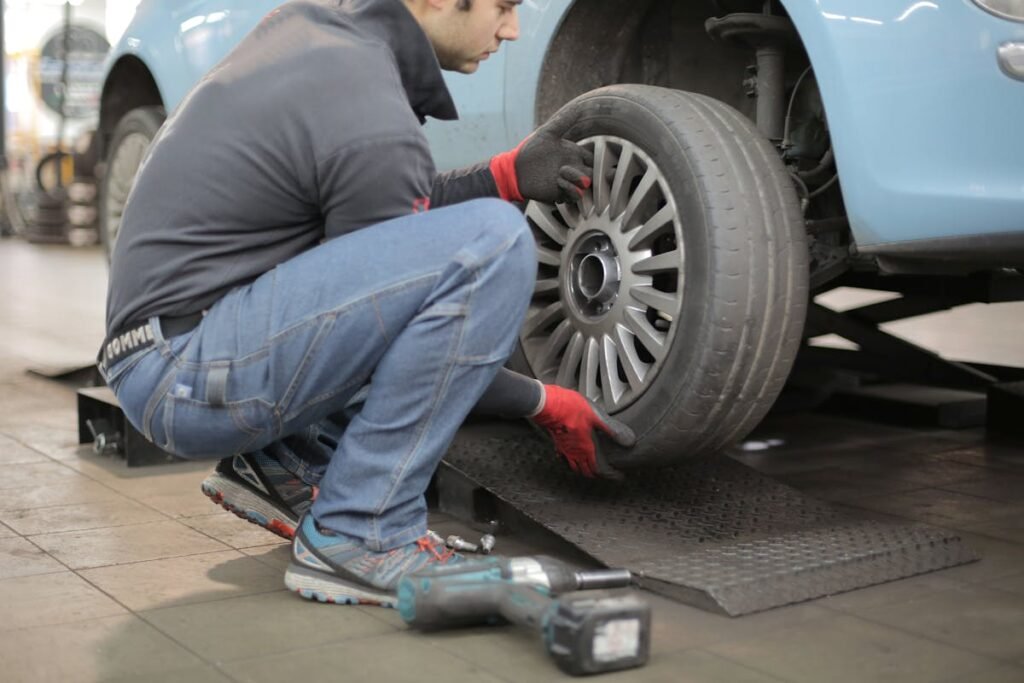
Not all repair shops charge the same rates. Some specialize in high-end vehicles, others in general maintenance, and some simply have higher rates due to location and overhead.
Before approving any major repair:
- Request at least two or three quotes
- Get written estimates that separate labor and parts
- Check reviews to verify shop credibility
A 10-minute comparison can save you hundreds, especially on large jobs like transmission work, alternator replacement, or brake jobs.
Build a Relationship with a Trusted Mechanic
Finding the right mechanic is one of the most valuable long-term investments you can make as a car owner. When a shop knows you’re a loyal customer, they may offer:
- Lower labor rates
- Honest advice
- Faster turnaround times
- Warnings about upcoming maintenance before it becomes costly
- Recommendations for used or salvage parts
Trust also means peace of mind—you won’t worry about being upsold or paying for unnecessary repairs. Ask family or friends for recommendations, read online reviews, and start with small jobs to test reliability.
Understand When to Use OEM vs. Aftermarket Parts
Repair shops may offer both OEM (Original Equipment Manufacturer) and aftermarket parts. Knowing the difference helps you save.
OEM parts come from your car manufacturer and cost more. Aftermarket parts come from independent manufacturers and can be cheaper, sometimes by 40–60%. Not all aftermarket parts are equal, but many are high-quality replacements. For non-critical items like mirrors, belts, or filters, aftermarket options are often cost-effective. Reserve OEM parts for components where precision matters most, such as sensors or critical engine components.
Take Care of Your Tires
Tires influence nearly every aspect of your car’s performance: safety, fuel efficiency, braking, and handling. Poor tire maintenance can lead to costly issues like uneven wear, suspension strain, and blowouts.
To extend tire life:
- Check pressure monthly
- Rotate tires every 5,000–6,000 miles
- Align wheels when needed
- Avoid driving on bald or unevenly worn tires
Underinflated tires alone can reduce fuel efficiency by up to 10%, which adds up over time.
Use High-Quality Fluids
Saving money doesn’t mean settling for cheap engine oil, transmission fluid, or coolant. Low-quality fluids break down faster and can cause overheating, friction, or internal wear. Look for fluids that meet your vehicle manufacturer’s specifications. Spending a little more now prevents major internal damage later.
Keep a Maintenance Record
A good record helps you:
- Avoid repeating services unnecessarily
- Track wear patterns
- Budget for future maintenance
- Maintain your car’s resale value
Most shops provide digital records, or you can keep your own in a notebook or app. Consistency ensures you only pay for what’s needed.
Address Minor Problems Immediately
Small problems become big problems when ignored. For example:
- A small coolant leak can develop into a blown head gasket
- A failing battery can damage your alternator
- Low brake fluid could indicate a system leak, leading to brake failure
Fixing issues early keeps costs low and prevents greater damage.
Avoid Unnecessary Add-Ons and Upsells
Some repair shops offer extra services you may not need, such as:
- Fuel injector cleaning
- Engine flushes
- Replacing cabin filters too early
- Premium additives
While some services are legitimate, others are simply upsells. Ask, “Is this needed now, or can it wait?” A good mechanic will honestly discuss priority levels.
Drive Smarter to Reduce Wear
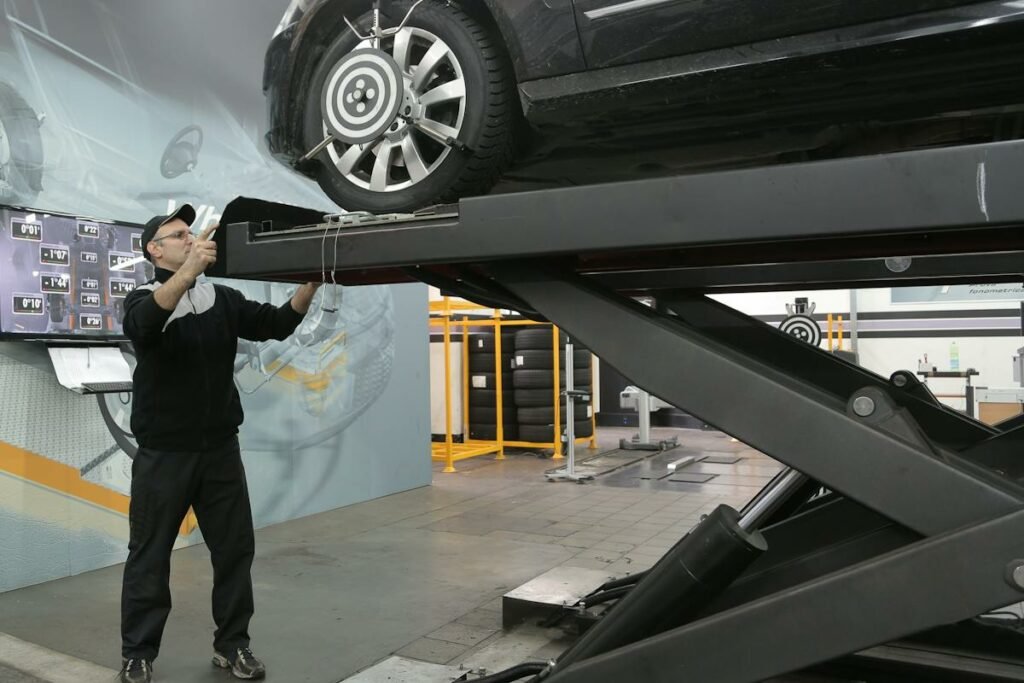
Your driving habits directly impact repair costs. Aggressive driving causes faster wear on brakes, tires, suspension, and transmission components.
Save money by:
- Avoiding hard braking and rapid acceleration
- Not overloading your vehicle
- Avoiding potholes and rough terrain when possible
Gentle driving means less wear and fewer repairs.
Check Your Warranty Before Paying Out of Pocket
Many repairs may still be covered under:
- Manufacturer warranty
- Extended warranties
- Powertrain coverage
- Recall programs
- Specialty insurance riders
Before paying, call your dealer or check your owner’s portal online. You may be eligible for free repairs without realizing it.
Buy Parts Yourself When Applicable
Some shops allow you to bring your own parts. Buying them yourself often lets you find better prices online or at local auto parts stores.
Just ensure the part is compatible with your vehicle and ask if your mechanic accepts customer-supplied components. Note that labor warranties may differ when supplying your own parts.
Establish an Emergency Repair Fund
Unexpected repairs are part of car ownership. Setting aside even a small monthly amount cushions you from financial stress when something breaks. This reduces the temptation to delay important repairs, which can cost you much more in the long run.
About Treasure Valley Auto Service
Treasure Valley Auto Service offers various auto repair services, including brake repair, clutch repair, engine repair, emissions repair, and more. For inquiries, call 208-385-0339.
