
Whether gas prices are hitting record highs or experiencing a temporary dip, one universal truth remains for drivers: nobody wants to spend more money at the pump than absolutely necessary. While many motorists focus on altering their driving habits—such as avoiding hard acceleration or utilizing cruise control—to stretch their fuel budget, they often overlook the mechanical health of their vehicle.
Your car is a complex machine that relies on a delicate balance of air, fuel, spark, and mechanical freedom to operate efficiently. When any of these components are compromised by wear, tear, or neglect, your engine has to work significantly harder to propel the vehicle forward.
This extra effort translates directly into burned fuel that otherwise could have been saved. If you are tired of watching your fuel gauge drop faster than it should, it is time to look under the hood.
Here are seven essential car maintenance and repair must-do’s that will dramatically improve your gas efficiency.
1. Maintain Optimal Tire Pressure and Wheel Alignment
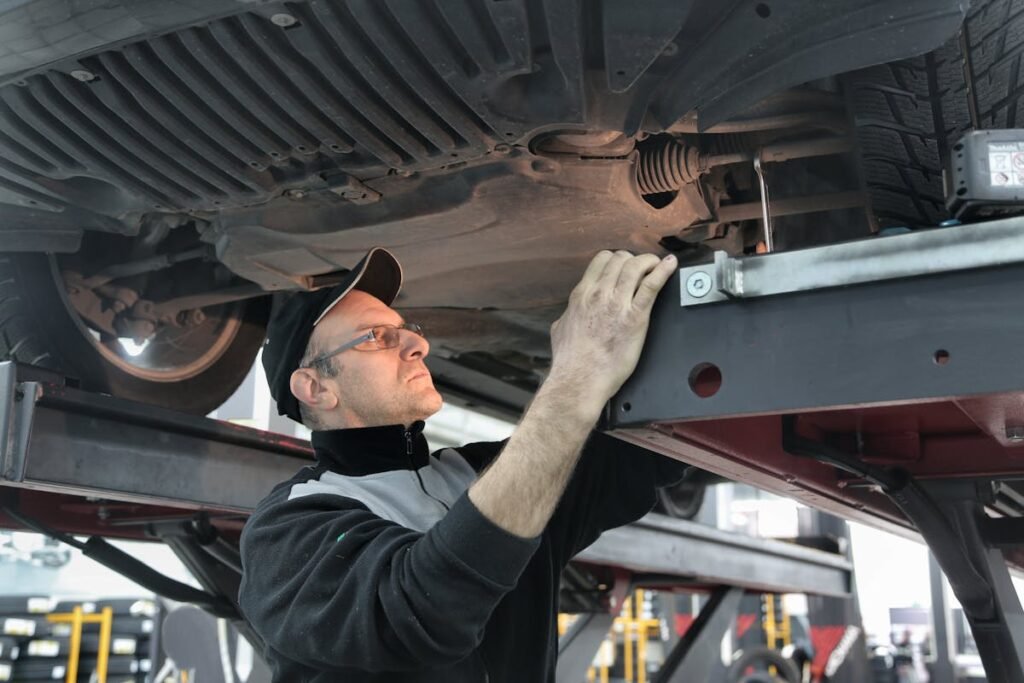
The easiest and arguably most overlooked aspect of fuel economy is the contact patch between your vehicle and the road. Tires naturally lose air pressure over time, and temperature fluctuations can cause significant drops in PSI (pounds per square inch).
When tires are under-inflated, they increase “rolling resistance.” Imagine trying to pedal a bicycle with flat tires; it requires significantly more energy. The U.S. Department of Energy estimates that you can improve your gas mileage by 0.6% on average—up to 3% in some cases—simply by keeping your tires inflated to the proper pressure.
Equally important is wheel alignment. If your wheels are knocked out of alignment by a pothole or curb, your tires will literally fight against each other as you drive. A poor alignment causes the tires to drag sideways slightly, creating immense mechanical resistance.
Getting a professional alignment not only saves your tires from premature wear but also ensures your engine isn’t wasting fuel pushing against misaligned wheels.
2. Replace a Clogged Engine Air Filter
Internal combustion engines are, fundamentally, giant air pumps. To burn fuel efficiently, your engine requires a massive, uninterrupted flow of clean oxygen. Before the outside air enters the combustion chamber, it passes through the engine air filter, which traps dust, dirt, pollen, and road debris.
Over thousands of miles, this filter becomes clogged. When the air filter is heavily restricted, the engine has to work much harder to pull air through it—a phenomenon known as “pumping loss.” This chokes the engine, throwing off the ideal air-to-fuel ratio.
While modern vehicles have computers that adjust the fuel input to match the restricted air, a severely clogged filter still robs your car of performance, causing you to press harder on the gas pedal to achieve the same speeds. Replacing a dirty air filter is a low-cost, quick maintenance item that lets your engine breathe easily and run efficiently.
3. Upgrade or Replace Old Spark Plugs

For your engine to produce power, the spark plugs must ignite the highly compressed mixture of air and fuel inside the cylinders. This ignition needs to happen with a strong, hot spark at the exact right millisecond. Over time, the electrodes on spark plugs wear down, increasing the gap that the electrical spark must jump. They can also become fouled with carbon deposits or oil.
When spark plugs degrade, they can cause engine misfires. Even a microscopic misfire—one you might not even feel from the driver’s seat—means that raw, unburned fuel is being pumped straight out of your exhaust pipe. You are literally throwing away gasoline.
By replacing your spark plugs at the manufacturer’s recommended intervals, you ensure complete, efficient combustion, maximizing the energy extracted from every drop of fuel.
4. Use the Correct Motor Oil and Keep It Clean
Friction is the ultimate enemy of fuel efficiency. Inside your engine, dozens of metal components are moving against each other at thousands of revolutions per minute. Motor oil is the only thing standing between smooth operation and catastrophic metal-on-metal grinding.
As oil ages, it breaks down, becomes contaminated with microscopic metal shavings and combustion byproducts, and loses its lubricating properties. This increases internal engine friction, forcing the engine to burn more gas just to overcome its own resistance.
Furthermore, using the wrong viscosity (thickness) of oil can severely impact your MPG. Modern engines are built with incredibly tight tolerances and are designed to run on thin, highly advanced synthetic oils (like 0W-20).
If you use a thicker oil than recommended, the engine components have to push through that heavier fluid, wasting energy. Regular oil changes with the exact oil specified in your owner’s manual are non-negotiable for top-tier fuel economy.
5. Perform a Professional Fuel System and Injector Cleaning
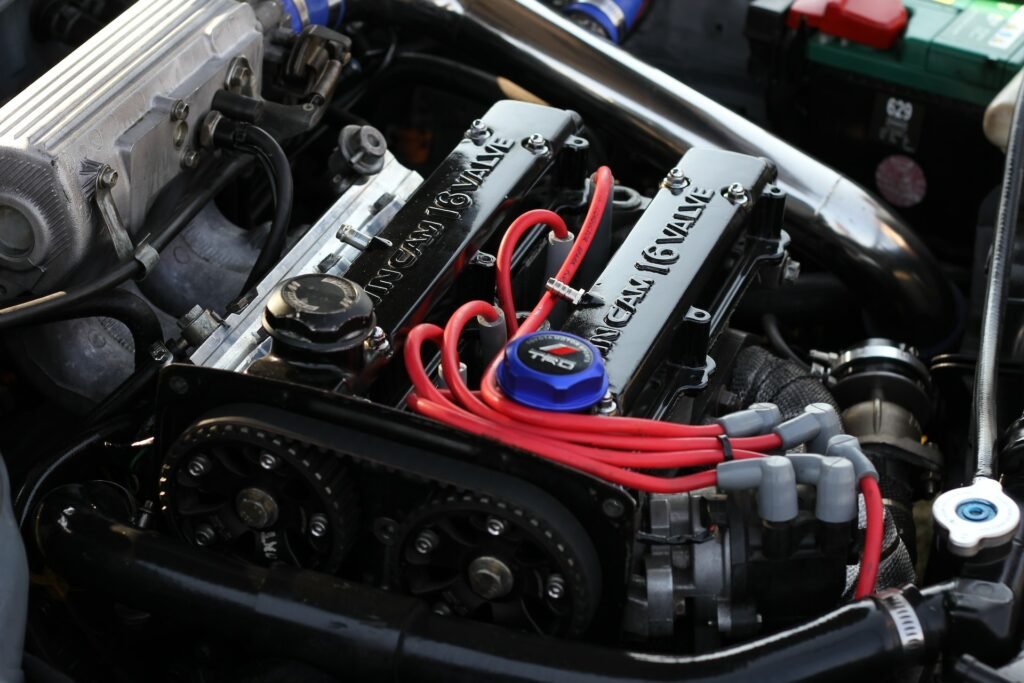
Your fuel injectors are responsible for spraying a highly pressurized, ultra-fine mist of gasoline into the engine cylinders. This fine atomization is critical because liquid gasoline doesn’t burn well; gasoline vapor does.
Due to the extreme heat of the engine and the chemical additives in modern fuels, carbon deposits eventually bake onto the microscopic nozzles of the fuel injectors. When this happens, the injector stops spraying a fine mist and begins to squirt a heavy, uneven stream of fuel. This poorly atomized fuel does not mix completely with the air, resulting in an incomplete burn.
The unburned fuel goes to waste, and your fuel economy plummets. A professional fuel system cleaning removes these baked-on deposits, restoring the factory spray pattern and ensuring every ounce of fuel is burned for forward momentum.
6. Do Not Ignore Degraded Oxygen (O2) Sensors
Your vehicle’s engine control unit (ECU) relies on a network of sensors to constantly adjust the engine’s operation in real time. The most critical sensors for fuel economy are the Oxygen (O2) sensors mounted in your exhaust system. These sensors measure the amount of unburned oxygen exiting the engine.
Based on this data, the computer decides whether to add more fuel or reduce the fuel going into the engine. As O2 sensors age, they become sluggish and covered in soot. When an O2 sensor begins to fail, the engine’s computer defaults to a “safe” mode to protect the engine from overheating.
This safe mode almost always involves running “rich”—meaning the computer deliberately dumps far more gasoline into the cylinders than is actually needed. A faulty oxygen sensor can easily reduce your gas mileage by up to 40%. If your check engine light is on due to an O2 sensor code, fixing it is an investment that quickly pays for itself at the gas station.
7. Check for Dragging Brake Calipers

Not all fuel-wasting problems happen under the hood. Sometimes, the issue is happening right behind your wheels. Your vehicle’s disc brakes operate using hydraulic pressure that squeezes brake pads against a metal rotor. When you release the brake pedal, the pads are supposed to retract completely, allowing the wheel to spin freely.
However, brake calipers are exposed to extreme heat, water, road salt, and grime. Over time, the slide pins or internal pistons within the caliper can rust and seize. When this happens, the brake pads do not fully release from the rotor.
This creates a constant mechanical drag, which is the exact equivalent of driving down the highway while resting your left foot lightly on the brake pedal. Your engine is forced to burn significant amounts of extra fuel to overcome this continuous braking force. Having your brakes inspected and serviced to ensure the calipers are moving freely is a critical step in preserving your vehicle’s gas mileage.
Maximize Your Vehicle’s Fuel Efficiency
Stop wasting money at the pump and ensure your vehicle is running at peak efficiency. The expert technicians at Treasure Valley Auto Care are here to help. Whether you need a precision wheel alignment, a comprehensive fuel system cleaning, or a routine tune-up, our team has the tools and expertise to get your car performing its absolute best.
Don’t let ignored maintenance drain your wallet; call us today at 208-385-0339 or send us an email at quality@treasurevalleyautocare.com to schedule your next appointment and start experiencing better gas mileage.
