
For most of us, a car is the second biggest purchase we’ll ever make, right after a home. Yet while we’re quick to address issues around the house, cars often get neglected. Warning lights get ignored, oil changes get pushed back, and we treat the vehicle like it’s indestructible. It’s easy to forget that a car is both tough and precisely engineered, and it genuinely needs care to last.
Today’s cars are built to impress. Treat them well and stay attentive, and they’ll comfortably roll past 200,000 miles. But getting there with a car that still feels good doesn’t happen by accident. The mindset shift is simple: stop waiting for things to break and start staying ahead with consistent upkeep and smarter driving habits. You’ll avoid the financial hit of replacing a car before you need to, and enjoy the one you have for much longer.
The Chemistry of Longevity: Fluid Care Matters

Think of fluids as your car’s life support. Oil gets the most attention, but every fluid under the hood plays a role in cooling, cleaning, and protecting the engine and its components.
If you do nothing else, check your fluids regularly and change them on schedule. Oil isn’t just about mileage. Modern synthetics can last 7,500 miles or more, but driving habits matter. Frequent short trips and heavy stop-and-go traffic break down oil faster and promote sludge buildup. Check the oil monthly. Golden-brown is fine; thick, gritty, or milky means something’s wrong.
The other fluids deserve attention too. Transmission fluid keeps shifting smooth, but neglect it long enough and gears start to slip. Coolant prevents your engine from overheating, but old coolant corrodes components from the inside out. Brake fluid absorbs moisture over time, and leaving it unchanged too long introduces rust into brake components and compromises stopping power.
Thermal Management: Beat the Heat, Save the Engine
Overheating destroys engines faster than almost anything else. Your engine runs best between 90°C and 105°C. Push beyond that range and components literally warp. Most head gasket failures and seized engines trace back to a small coolant leak or a worn hose that was ignored.
Watch for colored puddles under the car after it’s been parked. The plastic components in the cooling system become brittle and prone to cracking around the five- to seven-year mark. Replacing hoses and flushing old coolant before they fail is far cheaper than being stranded on the side of the road.
The Unsung Hero: Suspension and Alignment
It’s easy to focus on the engine and forget what’s happening underneath. Ignoring suspension and alignment quietly destroys tires and gradually stresses the chassis. Every pothole and curb scrape knocks things out of alignment. Get it checked annually. It’s one of the least expensive services available and one of the most protective for tires, wheel bearings, and overall structural integrity.
Electrical Preservation: Rolling Electronics Need Attention
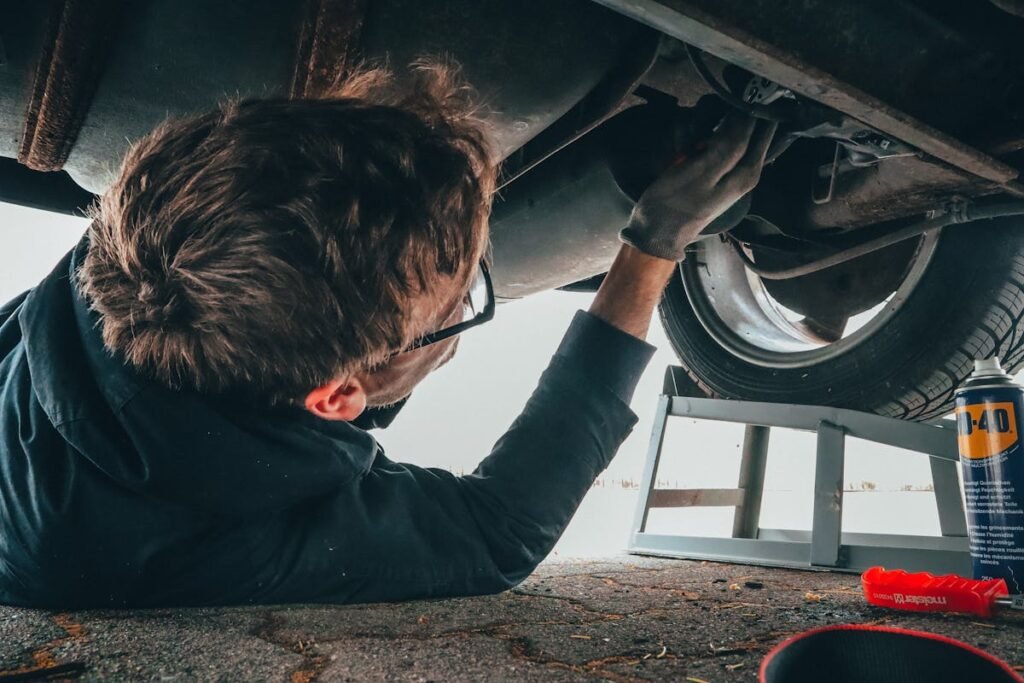
Modern cars are essentially computers with wheels, which means electrical problems can escalate in cost quickly. Most issues trace back to a failing battery or corroded terminals. Keep connections clean and replace the battery proactively every few years. Waiting for a complete failure puts unnecessary strain on the alternator and the rest of the electrical system. Random warning lights, unexplained glitches, and alternator failures often start with a battery that’s quietly losing capacity.
Driving Habits That Secretly Damage Your Vehicle
No amount of maintenance can fully compensate for poor driving habits. The first thirty seconds after a cold start are when the majority of engine wear occurs. Oil drains down overnight, leaving critical components temporarily dry. Don’t rev hard or jump on the highway immediately after starting. Let the oil circulate and drive gently until the engine reaches operating temperature.
Other habits add up over time. Resting your foot on the brake pedal while driving accelerates pad and rotor wear. In manual vehicles, riding the clutch does the same to the clutch disc. Small adjustments in how you drive can genuinely add years to the life of key components.
Environmental Defense: Protecting Your Car Inside and Out
A well-maintained engine can last decades, but corrosion can kill a car just as effectively, and often invisibly. Road salt in winter and salt air in coastal environments work into hidden crevices underneath the vehicle and steadily eat through metal. Rinse the undercarriage regularly, especially during winter months.
Sun exposure does its own damage. Dashboard materials crack, plastics degrade, and electronics cook under sustained heat. A sunshade is a simple, low-cost habit that makes a real difference over the long term.
The Owner’s Diagnostic Mindset: Learn to Listen
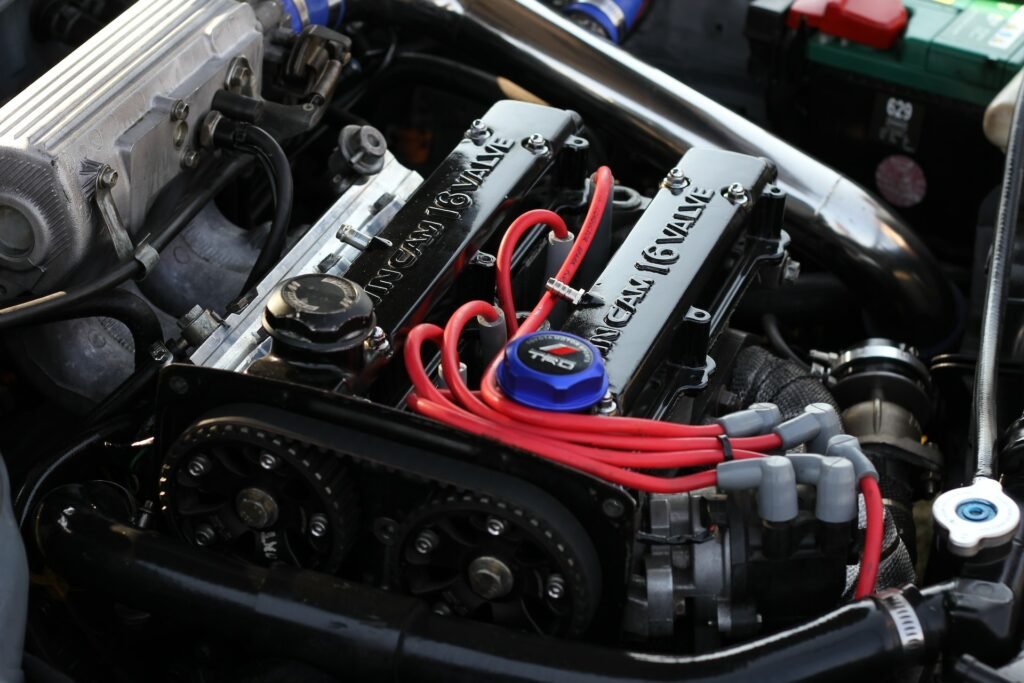
Cars rarely fail without warning, but only for drivers who know what to listen for. New sounds, unusual smells, vibration, or changes in feel are all early signals. You don’t need mechanical training to notice a brake pedal going soft, a shimmy through the steering wheel, or the sweet smell of leaking coolant. Pay attention to these details and act on them before they become expensive repairs.
The Modern Dilemma: Gasoline Quality and Carbon Buildup
Modern engines have evolved significantly. Direct injection technology delivers better performance and fuel economy than earlier designs, but it comes with a specific maintenance challenge: carbon deposits on intake valves.
Older port injection engines avoided this problem because fuel flowed directly over the intake valves on every cycle, naturally keeping them clean. Direct injection delivers fuel straight into the combustion chamber and never contacts the intake valves. Over time, oily vapor from the crankcase ventilation system bakes onto the valve surfaces, hardening into deposits that restrict airflow and lead to rough idling, reduced power, and eventually engine misfires.
The solution starts at the pump. Always choose Top Tier certified fuel brands, which contain higher-grade detergent additives that resist carbon buildup from the start. For extra protection, run an intake valve cleaner through the system every 10,000 miles. It’s significantly easier and cheaper than having a mechanic remove hardened deposits later.
The Weight Problem: Cargo Management and Transmission Stress
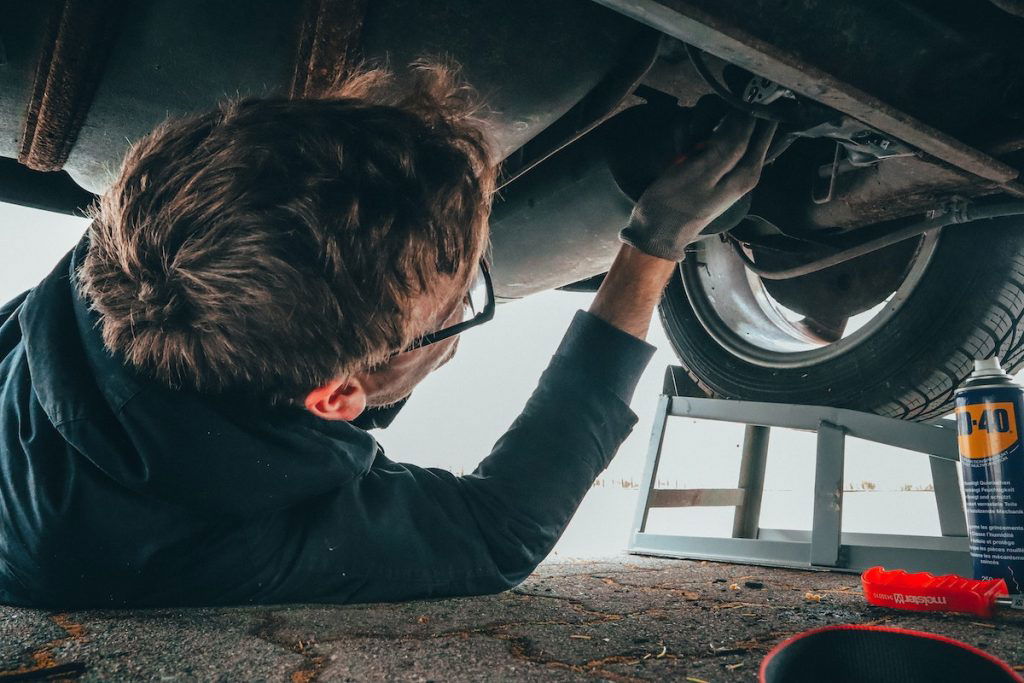
Many drivers treat the trunk like a permanent storage unit. Tools, gym equipment, seasonal gear, and miscellaneous items pile up until they’ve added a hundred pounds or more to the vehicle’s constant load.
That extra weight forces the engine to work harder on every trip, accelerates wear on the suspension, and increases braking distances. The most significant damage, though, is to the transmission. Automatic transmissions and CVTs are particularly heat-sensitive, and excess vehicle weight generates excess heat. Over time that heat degrades clutch packs and internal components. Make it a habit to clear out unnecessary cargo regularly. Your transmission will last longer and your fuel economy will improve.
Documenting the Journey: Why a Maintenance Log Matters
The most underrated tool in long-term car ownership isn’t a product or a procedure. It’s a record. Logging every oil change, tire rotation, fluid flush, and part replacement changes how you approach ownership. You’re far less likely to miss scheduled services when you can see the history laid out clearly.
A thorough maintenance record also adds tangible value when it comes time to sell. High mileage looks very different to a buyer who can see documented, consistent care throughout the vehicle’s life. A logbook isn’t just paperwork. It’s proof that the car was looked after.
Treasure Valley Auto Service offers reliable professional auto care. For repairs and maintenance, call 208-385-0339 or email quality@treasurevalleyautocare.com.
