
Months of freezing temperatures, corrosive road salt, hidden potholes, and icy conditions put an incredible amount of stress on almost every mechanical system in your car.
Transitioning into spring is about much more than just running your car through the local wash to rinse off the dirt. It requires a proactive approach to automotive maintenance to repair the silent damage winter left behind. Ignoring these underlying issues can lead to diminished performance, decreased fuel efficiency, and ultimately, expensive breakdowns when you are out enjoying a summer road trip.
To ensure your vehicle is safe, reliable, and ready for the warmer months ahead, here are the seven crucial spring car repairs and maintenance needs you should prioritize.
1. Suspension and Wheel Alignment Restoration
#image_title
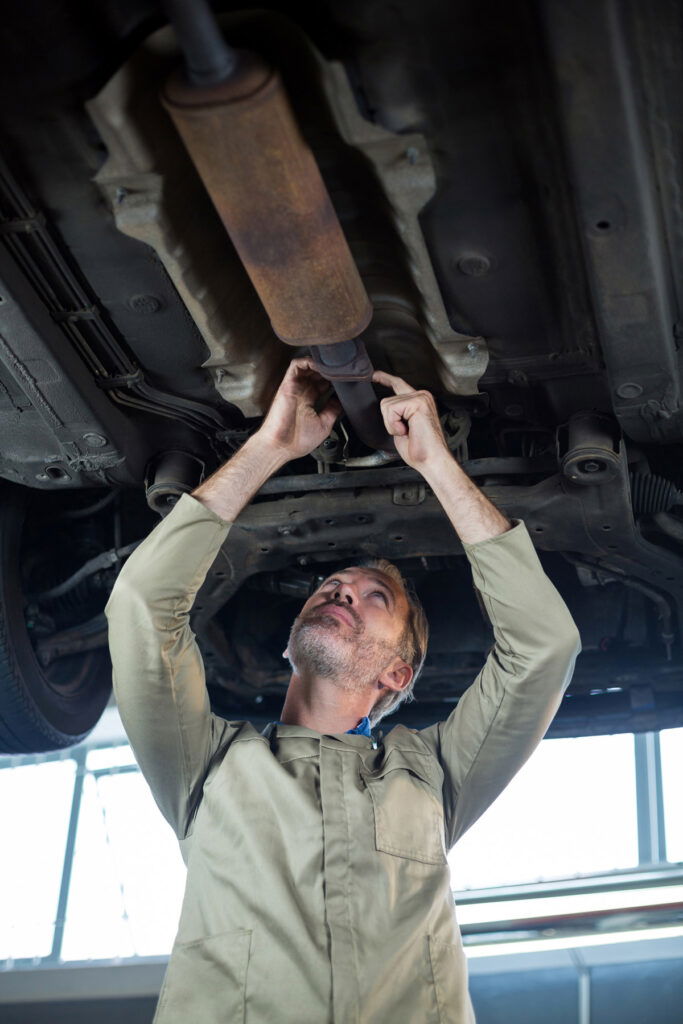
Winter roads are notoriously brutal on a vehicle’s undercarriage. The freeze-thaw cycle creates deep, jagged potholes that are often hidden by puddles of melted snow. Hitting just one of these craters at speed is enough to throw your vehicle’s wheel alignment out of specification or damage vital suspension components.
When your wheels are out of alignment, your car has to work much harder to drive in a straight line. You might notice your steering wheel pulling to the left or right, a vibration in the steering column, or an off-center steering wheel when you are driving straight.
Over time, improper alignment causes rapid, uneven tire wear, forcing you to replace expensive tires long before their expected lifespan. A comprehensive spring inspection should include evaluating your shocks, struts, tie rods, and ball joints for impact damage, followed by a computerized four-wheel alignment to restore your vehicle’s factory geometry.
2. Brake System Inspection and Servicing
Your brakes are your vehicle’s most critical safety feature, and they take an absolute beating during the winter months. Road salt, sand, and constant moisture create the perfect environment for rust and corrosion. This corrosive mixture can cause brake calipers to stick, brake pads to wear unevenly, and rotors to develop deep rust grooves. Furthermore, brake fluid is hygroscopic, meaning it naturally absorbs moisture from the air over time, which lowers its boiling point and reduces braking efficiency.
Listen closely to your brakes with the windows down. Squealing, grinding, or pulsation in the brake pedal are immediate signs that a repair is needed. A thorough spring brake service should involve checking the thickness of the brake pads, inspecting the rotors for heat spots and severe rust, lubricating the caliper slide pins, and potentially flushing the brake fluid if it has become dark or contaminated with moisture.
3. Tire Replacement and Pressure Calibration
If you run dedicated winter tires, spring is the time to swap them out for all-season or summer tires. Winter tires are made of a softer rubber compound designed to stay pliable in freezing temperatures; driving them on hot pavement will cause the tread to literally melt away.
If you are keeping your all-season tires on, they require a strict inspection. Check the tread depth to ensure you have enough grip to handle heavy spring rain showers and prevent hydroplaning. Additionally, tire pressure fluctuates with the weather—typically dropping one PSI for every 10-degree drop in temperature, and rising as it gets warmer.
Under-inflated or over-inflated tires compromise handling, increase braking distance, and ruin fuel economy. Adjust your tire pressure to the manufacturer’s exact specifications, which can usually be found on a sticker inside the driver’s side door jamb.
4. Battery Testing and Terminal Cleaning

It is a common misconception that winter is the hardest season on your car battery. While extreme cold reduces a battery’s cranking power—making it harder to start a freezing engine—it is actually the summer heat that destroys the battery’s internal structures by causing battery fluid to evaporate. However, winter forces your battery to work overtime to power the heater, defrosters, heated seats, and headlights, often leaving it in a weakened state by the time spring arrives.
Before the summer heat pushes a struggling battery over the edge, have it professionally load-tested. This test measures the battery’s ability to hold a charge under pressure. You should also inspect the battery terminals. The winter moisture often leads to a buildup of white, crusty corrosion around the posts, which acts as an insulator and restricts electrical flow. Cleaning the terminals and ensuring a snug connection can save you from a frustrating no-start situation in a hot parking lot.
5. Fluid Flushes and Filter Replacements
Fluids are the lifeblood of your vehicle. During the winter, your engine works harder and runs richer (using more fuel) to warm up, which can lead to faster degradation of your engine oil. A spring oil and filter change is one of the easiest and most cost-effective ways to clear out winter sludge and protect your engine’s moving parts.
Beyond oil, your engine coolant (antifreeze) needs attention. While it kept your engine from freezing in December, its job in the spring and summer is to dissipate heat and prevent your engine from boiling over. Coolant naturally becomes acidic over time, slowly eating away at radiators and water pumps from the inside out.
Checking the coolant’s pH levels and ensuring the reservoir is topped off is vital. Don’t forget to check the transmission fluid, power steering fluid, and switch to a summer-blend windshield washer fluid that is formulated to scrub away bugs rather than melt ice.
6. Wiper Blade Replacement and Windshield Repair
Wiper blades endure severe punishment throughout the winter. Dragging rubber blades across jagged ice, heavy snow, and road grit causes the delicate rubber edges to tear, crack, and warp. By spring, you are often left with wipers that leave massive streaks across your line of vision or chatter loudly against the glass. Spring is notorious for sudden, heavy downpours, making high-quality, fresh wiper blades an absolute necessity for safe visibility.
This is also the ideal time to inspect your windshield for tiny rock chips. The fluctuating temperatures of spring—freezing at night and warming rapidly under the afternoon sun—cause the glass to expand and contract. This stress can easily turn a microscopic chip into a massive, unrepairable crack that spans the entire width of your windshield. Getting chips filled early is a minor repair that saves a major replacement cost.
7. Air Conditioning System Diagnostics
There is nothing quite as miserable as turning on your vehicle’s air conditioning on the first genuinely hot day of the year, only to be greeted by a blast of stale, warm air. A/C systems frequently develop micro-leaks during the winter when the system goes unused for months at a time. The seals and hoses can dry out, allowing the vital refrigerant to slowly escape.
A proactive spring A/C service includes checking the system’s pressure, inspecting hoses for dry rot, and evacuating and recharging the refrigerant if necessary. While the system is being serviced, you should also replace the cabin air filter. Over the winter, this filter traps mold, dust, and dampness. Replacing it in the spring guarantees that your A/C will blow at maximum force and ensures you aren’t circulating spring pollen and allergens directly into your passenger cabin.
Protect Your Automotive Investment
Taking the time to address these post-winter repairs and maintenance tasks is the best way to protect your automotive investment. Neglecting the damage caused by winter driving doesn’t make it go away; it only allows minor issues to snowball into major, costly breakdowns later in the year.
By actively inspecting your brakes, suspension, fluids, and climate control systems now, you guarantee that your car is reliable, safe, and efficient for all the road trips and adventures the warmer weather brings. If your vehicle needs a thorough spring checkup or any repairs to get back in peak condition, our expert technicians at Treasure Valley Auto Care are ready to help. You can reach us at 208-385-0339 or send us a message at quality@treasurevalleyautocare.com to schedule your service today.
