Do you know that your car communicates with you? Although not in words, but rather through smells, sounds, and changes in its driving. However, the problem is, most drivers simply ignore these early warning signs until a minor issue becomes a costly repair. Understanding what you need to look for or listen to can help you save time, money, and even your safety on the road. The following are 10 signs your car needs immediate attention from a professional mechanic—and what occurs under the hood once you’ve noticed them.
1. Strange Noises That Weren’t There Before
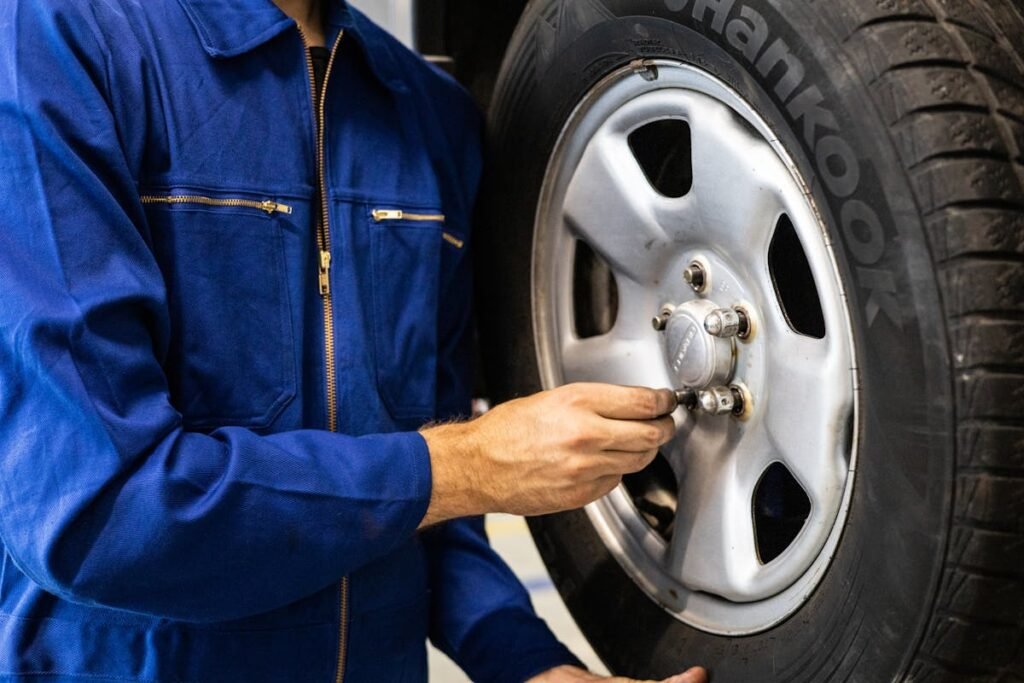
Most often, these odd noises are your car’s first cry for help. Whether it’s a knocking, grinding, or squealing sound, it could be an indication of various issues, from worn-out brake pads to severe engine problems. Typically, squealing while braking is a sign that your brake pads are worn thin. Grinding or scraping can indicate metal-on-metal contact, which means that you’ve waited too long before replacing the pads.
When you hear knocking or tapping under the hood, then it is an indication of a lack of oil or internal engine wear. Never ignore it. Instead, get a quick diagnostic check to know whether it’s a simple fix or something more serious. Knowing this earlier could mean the difference between replacing a set of pads and replacing an entire brake system.
2. Dashboard Warning Lights Stay On
There is a good reason why those little warning icons exist on your dashboard. In case one of them lights up, particularly the Check Engine, Temperature, or Oil Pressure light, you should not wait until it goes away because it won’t. A Check Engine Light could be an indication of various issues, from a loose gas cap to a damaged catalytic converter. A Flashing Check Engine Light is an emergency, which indicates your engine is misfiring and could suffer severe damage.
The Oil Pressure Light or Temperature Gauge is a sign of immediate risk to your engine’s health. What should you do? It is recommended that you pull over safely, check fluid levels, and contact a mechanic. Nowadays, modern cars are equipped with sensors that can help detect issues long before you can see or feel them.
3. Leaking Fluids
If puddles are accumulating under your car, don’t consider them harmless condensation. Your vehicle greatly depends on essential fluids such as oil, transmission fluid, coolant, brake fluid, and power steering fluid. Leaks can cause serious damage if neglected.
So, be sure to be aware of some of the common fluid colors: engine oil is either brown or black; transmission or power steering fluid is either red or pink; coolant can be green, orange, or yellow; and brake fluid is clear with a greasy feeling. Why is it important? Low fluid levels can likely cause overheating, brake failure, or even engine seizure. So, ensure that the leak is identified and fixed before topping off any fluids. Take note that adding the wrong type can worsen the issue.
4. Smoke or Steam Coming from the Engine Bay
If steam arises from the hood, then this is an indication that your engine is overheating. Blue or gray smoke could be an indication of oil burning inside the engine, and black smoke is a sign of excessive fuel burning, which is an indication of a bad sensor or fuel injector. When this happens, be sure to pull over safely, turn off the engine, and let it cool down.
Avoid opening a hot radiator cap. It is important to know that overheating can warp your cylinder head or blow a gasket, which are both extremely costly repairs. Always check for any smoke or steam before driving any further.
5. Vibrations or Shaking While Driving
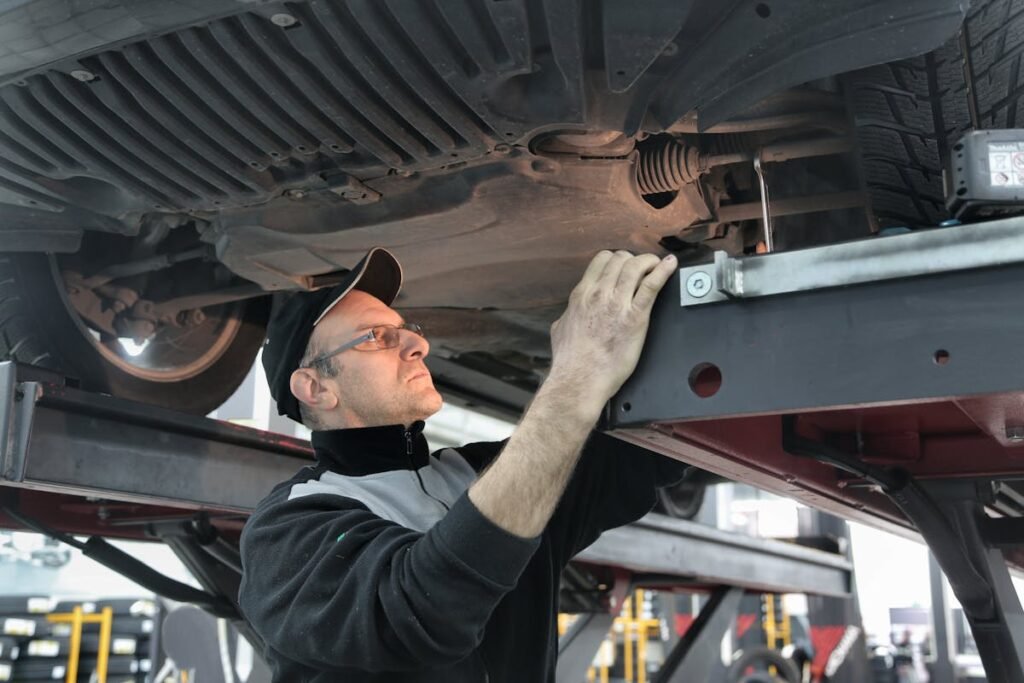
Keep in mind that when your car shakes or vibrates, this is not a normal occurrence. In fact, this could be an indication of anything from unbalanced tires to worn suspension parts. Vibration at high speeds is often caused by tire balance or alignment issues.
Shaking while braking is an indication of warped brake rotors. Consistent vibration could be a signal of worn-out motor mounts or CV joints. You should not ignore these symptoms since they could cause unsafe handling, uneven tire wear, and more stress on other components. So be sure to get a quick tire and suspension inspection to identify the problem before it worsens.
6. Difficulty Starting the Engine
If your car hesitates, cranks slowly, or fails to start altogether, it is telling you that there is something wrong. Common issues include a failing starter motor, a weak battery, or fuel system problems. If you notice dim headlights or flickering interior lights, then this means that your alternator isn’t charging properly. Generally, batteries can last between 3 to 5 years. If yours is much older or struggles during cold mornings, then you should get it tested. Addressing starting problems early can help prevent you from getting stranded or damaging your electrical system.
7. Poor Fuel Economy or Loss of Power
If you are suddenly filling up your car more often, then this is a sign that it is burning fuel inefficiently. There are a lot of causes of loss of power or sluggish acceleration, including dirty air filters, clogged fuel injectors, failing spark plugs or ignition coils, or malfunctioning oxygen sensors. These problems not only impact fuel efficiency but can also affect your catalytic converter, which is one of the most expensive parts to replace. Regular maintenance, particularly changing filters and spark plugs, can help keep your engine running efficiently and save you money on fuel.
8. Odd Smells Inside or Around the Car
Sometimes it is your nose that can first detect issues before your eyes can. Be wary of warning odors such as burning rubber, which indicates a potential slipping belt or misplaced hose touching hot engine parts; sweet syrupy smell, which is an indication of a coolant leak; rotten eggs, which is a sign of a faulty catalytic converter or fuel system issue; burning oil, which signals an oil leak onto hot engine components; and gasoline smell, which means a possible fuel leak—a serious fire hazard. You should never ignore a strong or unusual smell. Pull over and have your car examined. Some smells are an indication of immediate danger, especially fuel or electrical burning odors.
9. Brakes Feel “Off” or Unresponsive
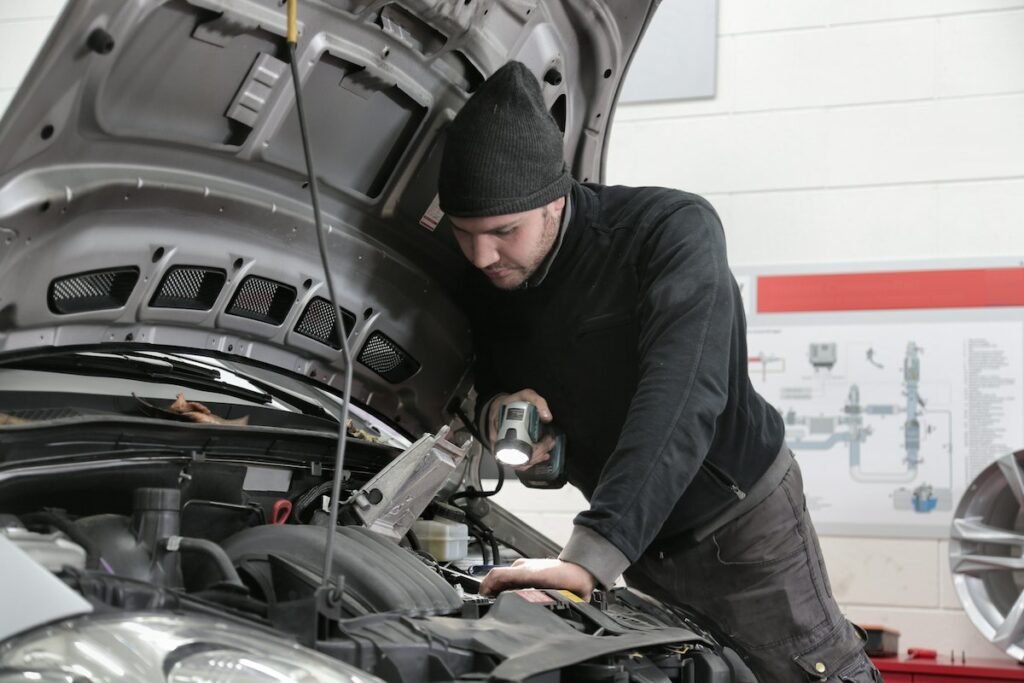
The brakes in your car are one of the most vital safety systems. If they start to make noises, feel spongy, or require extra pressure to stop, then get them inspected right away. Some of the common brake warning signs are squealing or grinding, a sign of worn pads or rotors; soft or sinking pedal, which indicates possible air in the brake lines or fluid leak; pulling to one side, which indicates uneven braking due to caliper or rotor issues; and vibration when braking, which is a sign of warped rotors. Take note that neglecting brake issues is dangerous. Routine inspections and timely pad replacements keep your braking power sharp and your safety solid.
10. Unstable Steering or Drifting
If your steering wheel feels loose or your car sways to one side, aside from being annoying, it’s also unsafe. This could likely be caused by misaligned wheels, damaged suspension or steering components, uneven tire pressure or wear, or low power steering fluid. Proper alignment and steering maintenance ensure predictable handling and prevent premature tire wear. If you notice any pulling, wandering, or difficulty controlling your vehicle, have your steering and suspension systems inspected immediately.
Conclusion
Your car constantly communicates its needs through warning signs that should never be ignored. By paying attention to these 10 critical signals—from strange noises and dashboard lights to fluid leaks and brake issues—you can address problems early, prevent costly repairs, and most importantly, keep yourself and others safe on the road. Regular maintenance and prompt professional attention are the keys to a reliable, long-lasting vehicle.
Treasure Valley Auto Service offers various auto care services. For your car repairs and services, just call us at 208-385-0339.
