A car has many essential components, and one of the most important is the clutch. If you think your car’s clutch is having problems and you live in Garden City, Idaho, you’ve come to the right place. At Treasure Valley Auto Service, we’ll explore the signs that your clutch needs replacement. Continue reading below to learn more.
Understanding Your Car’s Clutch

#image_title
What Is a Clutch?
A clutch is a mechanical device that serves as an on-demand coupling, allowing you to connect and disconnect two rotating shafts—the engine and the car transmission. This allows energy to be transferred from one part of the engine to another. The clutch is primarily responsible for controlling the power flow from a driving source, like an engine, to a driven mechanism, like the gearbox. For example, in a car with a manual transmission, the clutch allows you to disengage the engine from the wheels to prevent the car from stalling. Then it re-engages the engine so you can shift gears or continue moving.
How Does a Clutch Work?
- Friction-Based Connection – The clutch in manual cars uses friction to connect the driving and driven shafts.
- Engagement – When the clutch is engaged, the clutch disc is pressed against the flywheel, creating a secure connection that allows power to be transferred from the engine to the car’s transmission.
- Disengagement – When the clutch pedal is pressed, the mechanism moves the pressure plate away from the clutch disc, which disengages the connection between the engine and the transmission. This prevents power from flowing to the wheels, allowing for smooth gear changes.
Why Is the Clutch Important?
The clutch is an essential component of your car for the following reasons:
- Gear Changes – A clutch is necessary for shifting gears in a car with a manual transmission. If it’s not functioning properly, the car won’t be able to efficiently shift between gears while the engine is running.
- Stopping Without Stalling – When you need to stop the car, the clutch disconnects the engine from the wheels so the engine continues running without stalling while the car remains stationary.
- Smooth Starting – A clutch creates a connection between the engine and transmission, allowing for smooth acceleration from a standstill.
A clutch is made of three main parts: a clutch plate, a flywheel, and a pressure plate. When the clutch is engaged, its springs press these three parts together. The engine and the transmission are connected and spinning at the same speed. The clutch is necessary because the engine continues to spin all the time, while the wheels don’t. When the clutch pedal is pressed, the springs pull the pressure plate away from the clutch plate. The flywheel and pressure plate spin at different speeds, allowing you to change gears smoothly or stop the car.
5 Clear Signs Your Clutch Needs Replacement

1. Soft or Sinking Clutch Pedal
Although not directly related to the clutch disc itself, when you get a spongy feeling while pressing the clutch pedal, it’s a sign that the transmission requires repair or replacement. This can be caused by a leak of clutch fluid or air in the system. Either issue will lead to a soft or spongy feeling when pressing the clutch pedal. Watch out for the pedal sinking to the floor and not returning to its original position. This is a serious warning sign that needs immediate attention.
2. Burning Smell While Driving
If you notice a burning smell, it could indicate that the clutch disc needs to be replaced. The clutch disc is a friction plate that helps the transmission work with the engine when shifting gears. It’s prone to wear and tear, and the friction coating of the clutch disc will wear off due to repeated use. Once the coating is gone, it becomes metal grinding against metal when shifting gears. This will further damage the affected components and produce a distinct burning smell. If there’s a burning scent while driving and shifting gears, it could be the transmission grinding against itself.
3. Grinding Noise When Shifting Gears
If you hear a grinding sound when trying to shift gears, it could be caused by the clutch disc or the synchronizers of the transmission. The synchronizers function by making the shifting smooth when changing gears between RPM ranges. Regardless of what causes the grinding sound while driving or shifting gears, it’s a clear sign that the vehicle must be examined by an expert mechanic. Ignoring this sound can lead to more extensive and expensive damage to your transmission system.
4. Requiring Higher RPMs Than Normal
Owners of manual cars know their vehicles well. They understand how many RPMs are necessary to reach speeds in certain gears. When the clutch disc starts to experience wear and tear, it begins slipping. When this occurs, you’ll notice it requires more RPMs than usual to reach the speed necessary for shifting gears. You may also notice this happens along with grinding sounds and burning smells. This slipping action means the clutch isn’t fully engaging, and power is being lost between the engine and transmission.
5. Difficulty Shifting Between Gears
A normal clutch allows a driver to shift between gears with ease. When the clutch starts to wear out, shifting between gears becomes difficult. The transition feels rougher and less smooth. You may notice the clutch pedal isn’t functioning like it used to. You might find it hard to shift between gears as efficiently as before. This difficulty often gets progressively worse over time, making driving increasingly frustrating and potentially unsafe.
Understanding Clutch Components
A manual car has a single-plate friction clutch system. It consists of the following components:
- Flywheel – It’s connected to the engine of the vehicle and provides a smooth surface for the clutch disc to grip.
- Friction Plate (Clutch Disc) – It’s located between the flywheel and the pressure plate. It’s responsible for connecting the two when the pressure plate is engaged.
- Pressure Plate – It’s connected to the manual gearbox. It’s spring-loaded, which produces pressure when engaged.
- Master Cylinder – It’s attached to the clutch pedal. It provides pressure to the slave cylinder through a hydraulic pipe.
- Release Bearing (Throw-Out Bearing) – This is a crucial component of a manual transmission clutch system. It disengages the clutch when the clutch pedal is pressed. It slides along the input shaft of the transmission and contacts the diaphragm spring of the pressure plate. Facilitated by the clutch fork, it separates the clutch disc from the flywheel, allowing for smooth gear shifting.
- Slave Cylinder – It’s attached to the clutch release bearing in different ways—directly, inside the gearbox, or remotely through a release arm. It’s responsible for allowing the driver to shift between gears. It moves the pressure plate to disengage the clutch from the engine when the clutch pedal is pressed. If this component becomes damaged, it can affect the entire manual transmission system.
Different Types of Clutches
Understanding the type of clutch system your vehicle has is important because each may require different maintenance approaches. Here are the main types:
- Single-Plate Friction Clutch – The most common type found in manual transmission vehicles. It uses a single friction disc between the flywheel and pressure plate.
- Dry Multiplate Friction Clutch – Uses multiple friction plates without oil lubrication, providing more surface area for friction and better heat dissipation.
- Wet Multiplate Friction Clutch – Similar to dry multiplate but operates in an oil bath, which helps with cooling and reduces wear.
- Centrifugal and Semi-Centrifugal Clutches – These use centrifugal force to engage the clutch automatically as engine speed increases.
- Fluid Clutch – Uses hydraulic fluid to transmit power, providing smoother engagement and reducing wear on mechanical components.
When to Seek Professional Help
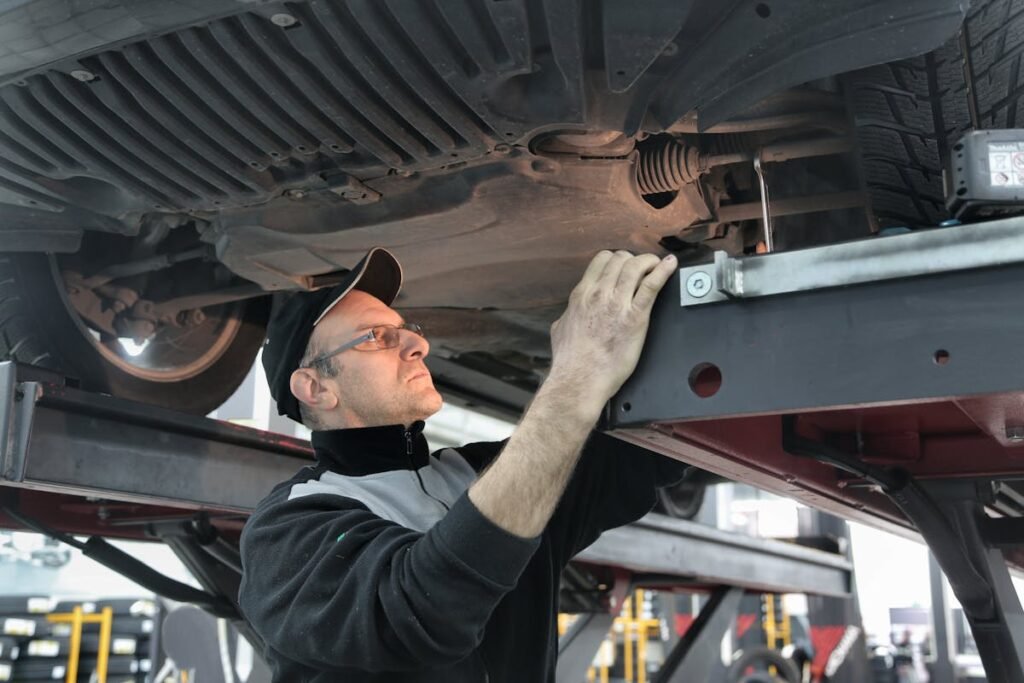
If you’re experiencing any of the warning signs mentioned above, it’s crucial to have your clutch inspected by a professional mechanic as soon as possible. Continuing to drive with a failing clutch can lead to more severe damage to your transmission system, resulting in much more expensive repairs.
Regular maintenance and being attentive to how your clutch feels and sounds can help you catch problems early. Most clutches last between 50,000 and 100,000 miles, depending on driving habits and conditions. However, aggressive driving, frequent stop-and-go traffic, and improper clutch use can significantly reduce this lifespan.
Protecting Your Clutch Investment
To extend the life of your clutch and avoid premature replacement, follow these best practices:
- Avoid Riding the Clutch – Don’t rest your foot on the clutch pedal while driving, as this can cause premature wear.
- Don’t Use the Clutch to Hold Your Car on Hills – Use the brake instead to prevent unnecessary strain on the clutch.
- Shift Smoothly – Take your time when shifting gears and fully engage the clutch before changing gears.
- Avoid Aggressive Starts – Rapid acceleration from a stop puts excessive stress on the clutch components.
- Regular Inspections – Have your clutch system inspected during routine maintenance to catch issues early.
The Bottom Line
Your clutch is a vital component that deserves attention and care. By recognizing the warning signs of clutch failure early, you can address problems before they become major repairs. If you notice any of the symptoms discussed in this article, don’t wait—schedule an inspection with a qualified mechanic to keep your vehicle running smoothly and safely.
If your car has a defective clutch and you’re based in Garden City, Idaho, check out Treasure Valley Auto Service. We offer comprehensive car repair services, including clutch repair and replacement. If you have any questions regarding our services, please don’t hesitate to reach out. Call us at 208-385-0339 or send an email to quality@treasurevalleyautocare.com. Choose a reliable car repair shop like Treasure Valley Auto Service for your car’s maintenance and repair needs. Contact us today!
